Foundational Concepts of Nutritional Balance
Understanding Balanced Nutrition
Nutrition science is built upon the understanding that the human body requires a variety of nutrients to function optimally. These nutrients—carbohydrates, proteins, fats, vitamins, and minerals—work together in complex ways to support everything from cellular function to immune response.
The Food Groups
Fruits & Vegetables
Rich in vitamins, minerals, and fiber. These foods provide essential micronutrients and support digestive health through their fiber content.
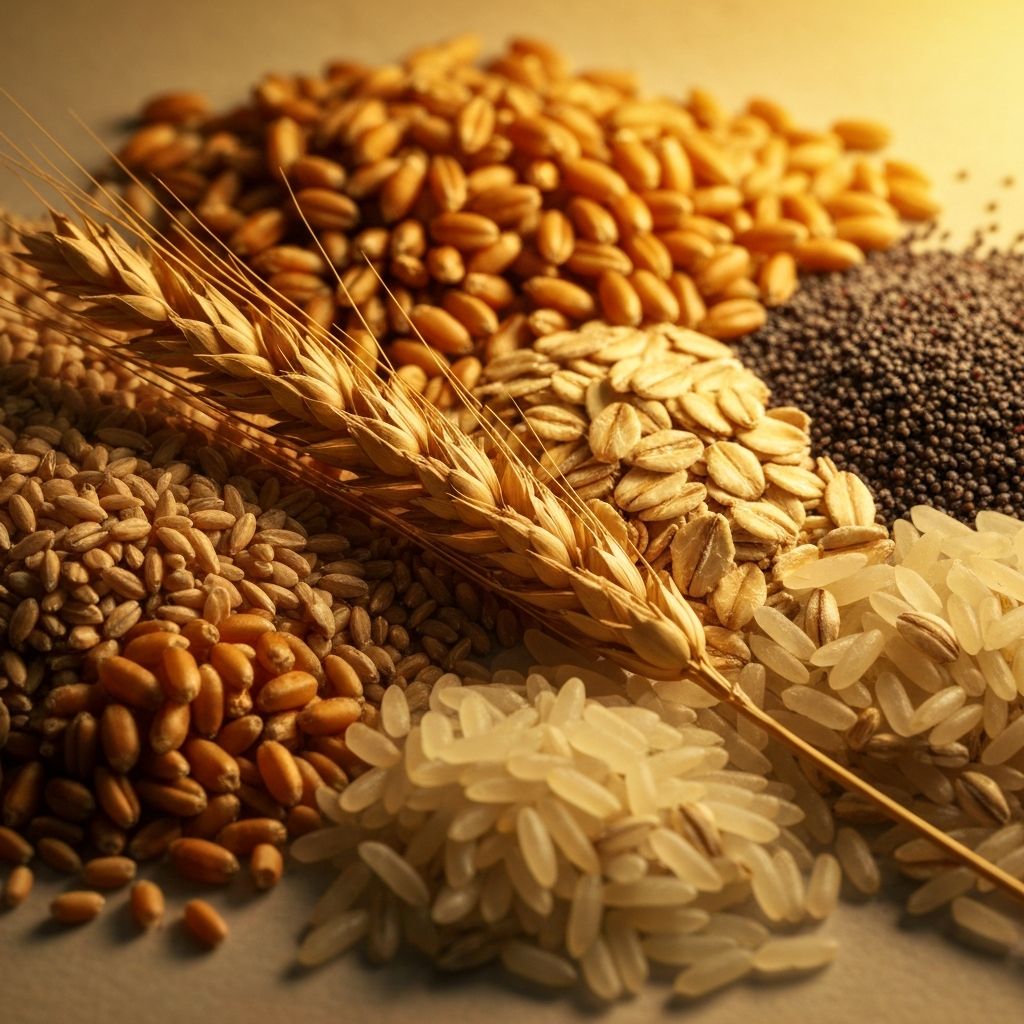
Whole Grains
Provide complex carbohydrates, B vitamins, and minerals. They release energy gradually, supporting stable blood sugar levels.
Proteins
Essential for building and repairing tissues. Proteins also support enzyme function, hormone production, and immune function.
Healthy Fats
Crucial for brain function, hormone production, and nutrient absorption. Support inflammation regulation and cardiovascular health.
Dairy & Alternatives
Important sources of calcium and vitamin D for bone health. Alternatives provide varied nutrient profiles for diverse dietary needs.
Hydration
Water is essential for all bodily functions. Adequate hydration supports metabolism, temperature regulation, and nutrient transport.
Important Context
This material is for informational purposes only. It does not offer individual recommendations. Approaches to health and nutrition vary widely, and the information on this site is not a substitute for personal decisions or professional medical advice.
Key Principles for Balanced Eating
The Interplay of Nutrients
The nutrients in food don't work in isolation. For example, vitamin C enhances iron absorption from plant-based foods. Dietary fat helps absorb fat-soluble vitamins like A, D, and K. This synergy demonstrates why eating a variety of whole foods is more beneficial than relying on isolated nutrients.
Meal Composition
A balanced meal typically includes:
- A source of protein for satiety and tissue repair
- Complex carbohydrates for sustained energy
- Healthy fats for nutrient absorption and hormone function
- Vegetables or fruits for vitamins, minerals, and fiber
Practical Application
Understanding nutritional balance means recognizing that there is no single "perfect" diet. What matters is consistency, variety, and choosing whole foods most of the time. This foundational understanding sets the stage for exploring more complex aspects of nutrition and body weight management.
Back to Blog